
Psoriasis Care & Ayurvedic Skin Wellness
Psoriasis is a long-term inflammatory skin condition that can cause red or discoloured patches, scaling and itching. Understanding your symptoms and choosing an appropriate care plan can help you manage flare-ups and support everyday skin comfort.
Explore practical skin-care guidance and learn how Ayurveda-inspired wellness practices may fit alongside appropriate medical care.
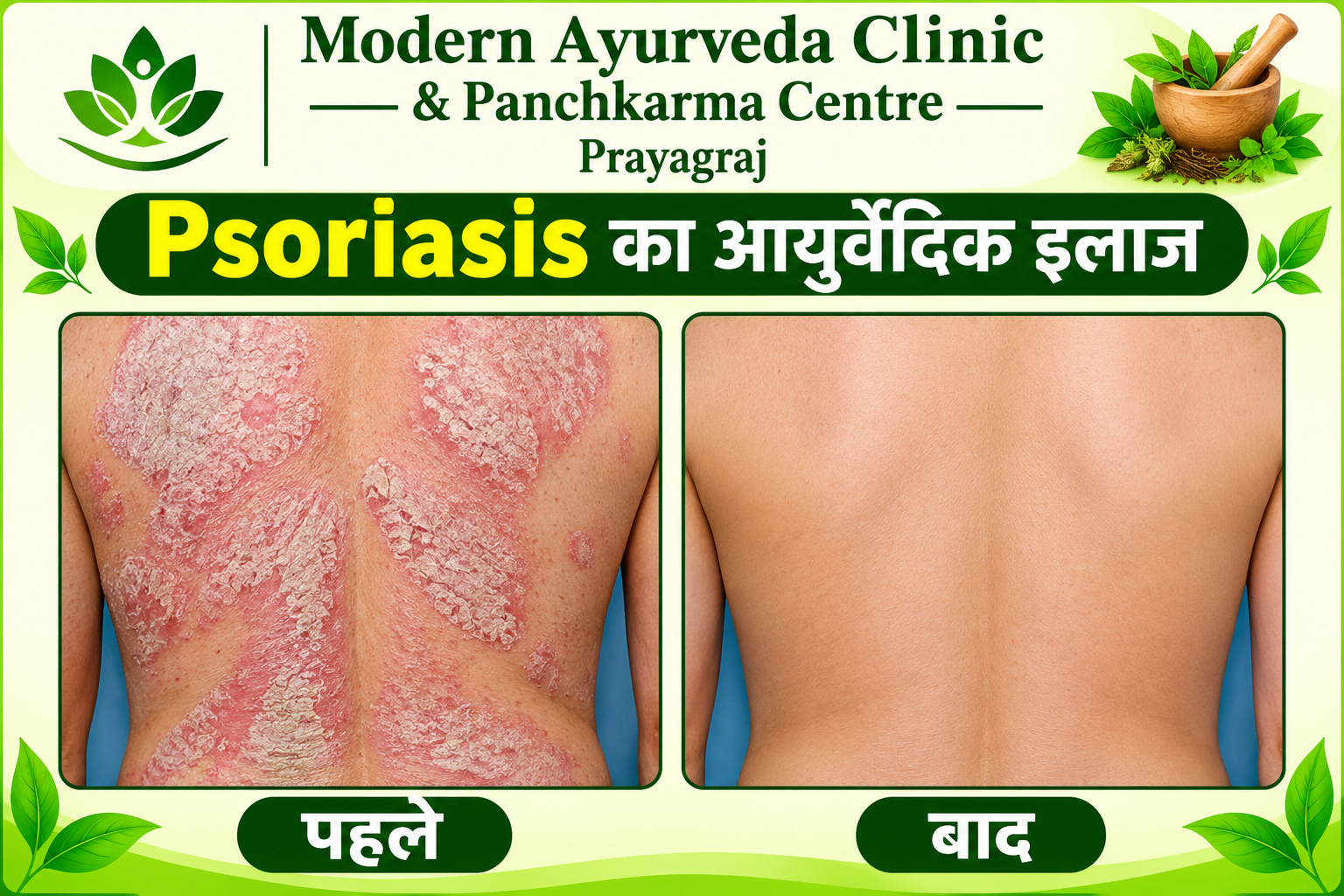
What Is Psoriasis?
Psoriasis is an immune-mediated condition that speeds up the skin-cell renewal process. This can lead to a build-up of skin cells and inflamed, scaly patches. It is not contagious, and symptoms can vary from person to person.
Common Signs and Symptoms
- Raised, scaly patches that may appear red, pink, purple or darker than surrounding skin
- Dryness, itching, soreness or skin cracking
- Patches on the scalp, elbows, knees, trunk or other areas
- Changes in fingernails or toenails, including pitting or thickening
- Symptoms that improve and return in periods of flare-up
Why Individual Assessment Matters
Eczema, fungal infections and other skin conditions can sometimes resemble psoriasis. A qualified healthcare professional can assess your symptoms and recommend suitable treatment.
Some people with psoriasis also experience joint pain, swelling or morning stiffness. These symptoms deserve medical evaluation because psoriasis can be associated with psoriatic arthritis.
Explore Skin-Care GuidanceFactors That May Trigger Flare-Ups
Triggers are not the same for everyone. Tracking changes in your skin, health and routine may help you recognise patterns and discuss them with your healthcare professional.
Stress
Emotional or physical stress may worsen symptoms for some people. Relaxation and supportive routines can be helpful.
Skin Injury
Cuts, scratches, sunburn and repeated friction can trigger patches in affected individuals.
Dry Skin
Dryness may increase discomfort. Gentle cleansing and regular moisturising can help support the skin barrier.
Infections
Certain infections, including streptococcal throat infections, can trigger particular forms of psoriasis.
Some Medicines
Certain medicines may affect psoriasis. Never stop or change prescribed medication without medical advice.
Personal Patterns
Weather, lifestyle and other factors may affect symptoms. A simple symptom diary can help identify individual patterns.

Simple Habits for More Comfortable Skin
A consistent routine can help reduce dryness and irritation. These habits complement—not replace—treatment recommended for your individual condition.
- Moisturise regularly: Choose a fragrance-free moisturiser suitable for sensitive skin.
- Cleanse gently: Use lukewarm water and mild, non-irritating cleansers.
- Avoid scratching: Keep nails short and avoid picking or forcefully removing scales.
- Protect your skin: Avoid sunburn and use appropriate sun protection.
- Support daily wellbeing: Prioritise sleep, balanced meals and manageable stress-relief practices.
- Follow your treatment plan: Use prescribed medicines as directed and attend follow-up appointments.
Building a Personalised Skin-Wellness Plan
Psoriasis care often works best when treatment, skin protection and lifestyle support are considered together.
Understand Your Symptoms
Discuss the location, duration and severity of patches, previous treatments, possible triggers and any related joint symptoms with a qualified healthcare professional.
Review Suitable Treatments
Depending on severity, care may include prescribed topical treatments, phototherapy or systemic medicines under medical supervision.
Support Everyday Wellbeing
Gentle skin care, stress management and other suitable lifestyle practices can complement a treatment plan. Discuss Ayurvedic or herbal products with your clinician before using them.
Psoriasis: Common Questions
Learn more about symptoms, daily skin care and treatment choices.
Is psoriasis contagious?
No. Psoriasis is not contagious and cannot spread from one person to another through touch, sharing household items or close contact.
Can psoriasis be permanently cured?
There is currently no established permanent cure for psoriasis. However, appropriate treatment can help control symptoms, reduce flare-ups and improve quality of life. Results vary between individuals.
Can Ayurveda help with psoriasis?
Some people explore Ayurveda-inspired practices as part of their general wellness routine. Evidence for Ayurvedic remedies as psoriasis treatments is limited, and they should not replace proven medical care. Some herbal products may cause side effects, interact with medicines or contain undisclosed ingredients. Discuss any product with your healthcare professional before use.
Which daily skin-care products should I use?
Fragrance-free moisturisers and gentle cleansers are often suitable starting points. The best products depend on your skin and symptoms. Stop using any product that causes burning, swelling or worsening irritation, and seek advice if symptoms persist.
When should I consult a doctor?
Seek medical advice for a new or persistent rash, worsening symptoms, painful skin cracks, nail changes or suspected psoriasis. Joint pain or swelling should also be assessed. Widespread redness, rapidly worsening skin, fever or extensive pus-filled blisters require urgent medical attention.
Can lifestyle changes replace psoriasis medication?
No. Healthy habits may support overall wellbeing, but they do not reliably replace psoriasis treatment. Do not stop prescribed medication without consulting the clinician managing your care.
Looking for Guidance for Psoriasis and Skin Health?
Speak with a qualified healthcare professional about your symptoms, available treatment options and whether complementary wellness practices are appropriate for you.
Call to Enquire